Skip to content

One of the most stressful situations a person can experience is losing their ability to breathe easily. It’s easy to panic when your breathing is out of control and you can’t get enough air– but as scary as it is, it’s not always an emergency. But when you’re having difficulty breathing, when to go to the ER feels like one of the last things you can think about. Here’s how to determine if you have a shortness of breath emergency.
What “Shortness of Breath” Can Mean
One of the challenges that make it hard to determine if breathing problems require the emergency room is that people use the term “shortness of breath” in different ways. Some mean they cannot get enough air. Others mean they feel tightness in the chest. Some feel winded doing normal tasks, while others only feel this way after intense exercise. That difference is important, because the cause can range from a mild irritation to a life-threatening problem.
Breathing is a balance between your lungs, your heart, and your blood. If any part of that system is strained, your brain notices right away. That is why shortness of breath can feel intense even when the cause is treatable.
Sudden Shortness of Breath Causes
Sudden symptoms raise concern because the body has not had time to adapt. A sudden shortness of breath can come from a heart problem, a lung problem, or a severe allergic reaction. It can also come from a blood clot in the lung, which needs urgent care right away.
Allergies can trigger breathing trouble in a few ways. Seasonal allergens like pollen or mold can inflame the nose and throat and drip into the airway, which can set off coughing and chest tightness. Some people get a fast, more intense reaction with:
- Hives
- Facial swelling
- Throat tightness
- Hoarse voice
If breathing changes show up with swelling or widespread rash, treat it like an emergency, since anaphylaxis can escalate quickly.
Anxiety can cause fast breathing and chest pain or tightness, and that is real. Still, you should not label symptoms as anxiety until a clinician checks you. Many serious conditions can feel like panic at first, especially when the main symptom is air hunger.
Asthma and Respiratory Infections Can Factor In
Asthma is another common reason breathing can change fast, and an asthma flare can happen after allergen exposure, a viral illness, exercise, or cold air. You might notice wheezing, chest tightness, a persistent cough, or the feeling that you cannot fully exhale. If you are using a rescue inhaler and it is not helping, or symptoms return right away, you should be seen the same day. Waiting can allow the airway to tighten further.
While many people with asthma are diagnosed as children, some people first develop asthma symptoms as adults, especially after a respiratory infection, allergen exposure, or repeated airway irritation. If you don’t think you have asthma but you are regularly experiencing shortness of breath with wheezing or other symptoms, you may want to talk to a doctor about it.
Respiratory infections can also cause breathing changes, especially when swelling and mucus narrow your airways. In adults, the CDC lists difficulty breathing or shortness of breath as an emergency warning sign for serious respiratory illness. If you feel yourself getting worse quickly, do not wait for “tomorrow.”
Difficulty Breathing: When To Go To The ER
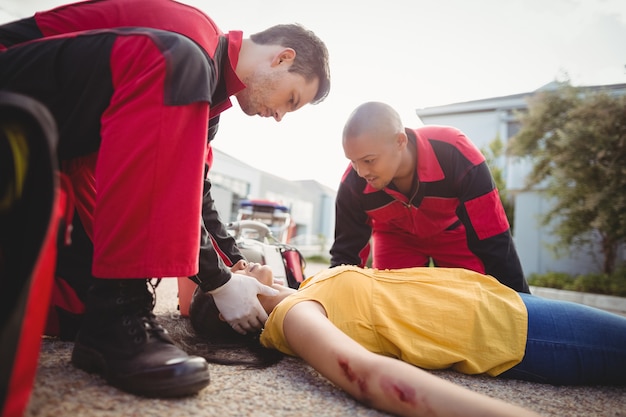
Some symptoms associated with breathing difficulties are always emergencies. If your breathing is so hard that you cannot speak full sentences, that is an emergency. If your lips or face look bluish or gray, that is an emergency. If you feel faint, confused, or unusually sleepy, that is an emergency. Don’t try to wait these out.
Chest pain with shortness of breath should always be taken seriously. Shortness of breath is a heart attack warning sign, and it can happen with chest discomfort or without it. If you think you might be having a heart attack or stroke, call 911 instead of driving yourself.
You should also seek emergency care if shortness of breath starts after a period of low movement, like recovery after surgery, or after long travel where you sat for hours. These situations can raise concern for blood clots and deep vein thrombosis, which can sometimes travel to the lungs and cause a pulmonary embolism. A pulmonary embolism is a life-threatening emergency that needs immediate evaluation and treatment.
Some breathing problems build over days, which can lead to severe medical problems, like a stroke. For example, if you feel shortness of breath and notice other symptoms, like an inability to climb stairs like usual, or needing more pillows to sleep, you should seek medical guidance. These patterns can point to fluid buildup from heart failure and need prompt evaluation.
Asthma and COPD can also flare in waves. Weather shifts, viral illness, or smoke exposure can narrow airways and increase wheezing. If you are using your rescue inhaler more than usual, or it stops helping, you should be seen. A slow change can still become dangerous fast.
What A Breathing Problems Emergency Room Visit Looks Like
When you visit Reliant Emergency Room for a shortness of breath emergency, the visit starts with quick safety checks. We measure oxygen levels and heart rate right away. We listen to your lungs and check for signs of strain. We also look for clues like swelling in the legs, which can link to heart or clot concerns.
Testing depends on your symptoms and risk factors. Many patients need an EKG to evaluate the heart. Some need chest imaging to look for pneumonia or fluid. Blood tests can help identify infection, heart strain, or other medical stress. The goal is to move from “guessing” to a clear direction quickly.
Treatment is based on what we find, and oxygen can stabilize you while we evaluate. Breathing treatments can open airways when bronchospasm is the issue, and medications can reduce inflammation or treat infection when appropriate. If we see signs of a more serious emergency, we escalate care immediately.
What To Do While You Decide, Or While Help Is On The Way
It can be extremely hard to act during a shortness of breath emergency, because you’re so focused on getting oxygen. That’s why you need to know what to do in advance of it happening. The first thing to do is sit upright and try to slow your breathing. Even if you can’t take a deep breath, slow shallow breaths are better than fast shallow breaths. Loosen any clothing around the neck and chest, and if you have a prescribed rescue inhaler, use it as directed. If symptoms are severe or changing quickly, call 911.
Do not push through shortness of breath with exertion, because walking it off can make some conditions worse. Do not drive yourself if you feel lightheaded or confused. If you are alone, call someone and stay on the line while you wait for help.
A Final Word On Safety
Shortness of breath is a symptom with a wide range of causes. Some are simple and some are dangerous. The safest approach is to treat new, severe, or unexplained breathing trouble as a shortness of breath emergency until a clinician tells you otherwise. If you are in Corpus Christi and you are worried about your breathing, Reliant Emergency Room is here to evaluate you quickly and thoroughly. You deserve real answers, and you deserve to breathe without fear.