Skip to content
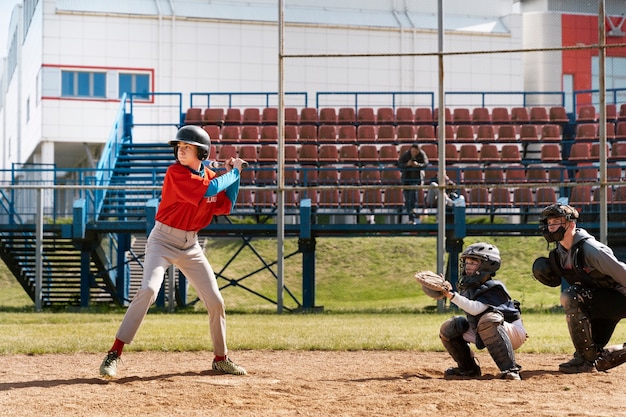
Youth sports are a cherished and important part of South Texas summers, but sometimes, games don’t go as planned. A bat gets thrown, a kick is missed, and sheer bad luck. Most games and practices end with tired legs and maybe a few bruises, but some injuries need more than rest and observation. Youth sports emergency care becomes part of the conversation the moment a child gets seriously hurt on the field. And in Corpus Christi, where kids play year-round and often train in heat and humidity, parents need to know which situations call for immediate emergency evaluation.
What To Do When A Sports Injury Happens
As soon as a child is injured, the first step is fairly simple: Stop play and get the child out of the action. And do your very best to stay calm. Staying calm helps you notice important details, like whether your child is alert, breathing normally, able to answer questions, and moving without obvious distress. Panic can make a stressful moment harder for both the child and the adults around them.
Usually, your next step is to get the child off the field– but that isn’t always the case. If there appears to be a head, neck, or back injury, do not rush to help the child stand up or walk it off. A suspected neck or spinal injury is one of the clearest times not to move a young athlete unless there is an immediate safety threat in the environment. If you suspect a serious injury to the head, neck, or back, do not move the child.
This advice might seem counterintuitive in the moment, especially if a child is upset and wants comfort. But moving them too quickly can make a serious injury worse. Keep the child as still as possible, speak calmly, and get emergency help if the situation looks severe or if they seem confused, lose consciousness, have trouble breathing, or cannot safely move.
Serious Sports Injuries In Children
Serious sports injuries in children are the ones that suggest a possible emergency rather than a routine sports mishap. That includes severe bleeding, loss of consciousness, significant breathing trouble, a suspected major fracture, a visible deformity, or an injury that clearly affects the head, neck, or spine.
Pain level is also important, but it is not the only factor in determining whether or not something is an emergency. Some emergency injuries look dramatic right away, while others become more concerning as symptoms unfold. A child who becomes unusually sleepy, confused, weak, or hard to wake after an impact needs more than sideline observation. The same is true for repeated vomiting, seizure activity, worsening headache, or obvious trouble coordinating movement after a blow to the head or body.
Parents should also pay attention to injuries that involve force. A hard collision, a fall from height, or a high-speed impact can create internal concerns that are not obvious in the first few minutes. That is part of why emergency evaluation matters in higher-severity sports injuries; it can help determine what problems may lie beneath the surface. If any of these conditions align with your child’s injuries, an emergency room is likely your best care option.
Is The ER Always The Best Option for Youth Sports Emergency Care?
No. Not every sports injury belongs in the ER. Some injuries are painful and inconvenient without rising to the level of an emergency. Urgent care is generally the better fit for non-life-threatening injuries, common illnesses, and relatively minor cuts.
We’re not saying don’t bring your child to the emergency room if you think there’s an emergency. But emergency rooms practice triage, which means that it’s not first in, first seen. ERs have to prioritize the sickest and most unstable patients first. A child with a minor finger injury, a straightforward sprain, or a small cut may actually be seen more efficiently in urgent care than in an ER, where trauma, breathing problems, and neurological emergencies move to the front of the line.
The best way to think about it is this: if the injury seems severe, affects consciousness or breathing, involves major bleeding, obvious deformity, or a dangerous head or neck mechanism, choose emergency care. If it looks minor and the child is stable, urgent care may be the better choice. Knowing that difference helps families act faster, and gets kids seen more quickly.
Concussion Awareness: Youth Sports Head Trauma
One of the most serious sports injuries in children is head trauma. (And this is especially important for the parents of the hundreds of thousands of young football players in Texas!) Head injuries can lead to a concussion, which is a type of traumatic brain injury caused by a bump, blow, or jolt to the head, or by a hit to the body that causes the head and brain to move quickly back and forth. That means a child does not need to be knocked out for a concussion to be a real concern.
If your child takes a hit to the head or body and does not seem right afterward, remove them from play and have them assessed by a healthcare provider. Symptoms can worsen over the next few hours, so even if they seem fine immediately, they should still receive care.
Emergency care is especially important if concussion danger signs appear. The CDC lists repeated vomiting, worsening headache, slurred speech, seizures, unusual behavior, weakness, numbness, trouble recognizing people or places, one pupil larger than the other, and inability to wake up as reasons to seek emergency evaluation right away. Those are not watch-and-wait symptoms.
Broken Bones: Fractures vs. Stress Fractures
Broken bones are common in sports, but they do not all look the same. A sudden fracture usually happens after a fall, collision, or direct impact, while a stress fracture develops over time from repetitive force. The difference is important when thinking about where to go for care. A major fracture with severe pain, clear deformity, or bone coming through the skin is always an emergency room situation. But a possible stress fracture or a smaller break without skin damage (like a broken finger or toe) may be handled outside the ER, depending on severity and the child’s overall condition.
Heat-Related Emergencies and Youth Sports
Heat-related emergencies that youth athletes face are especially relevant in South Texas. Hot days mean that kids are at higher risk for dehydration and heat-related illness. In a hot, humid coastal environment, that risk can build faster than you might expect!
Heatstroke gets special attention because it is a true medical emergency. A child who becomes confused, collapses, stops making sense, or seems neurologically off in the heat needs emergency evaluation right away. Heatstroke is one of the easiest emergencies to underestimate at first because kids often want to push through fatigue. By the time heat illness looks obvious, the situation may already be serious.
Know Where To Go For Youth Sports Emergency Care
Knowing where to go saves time when a child is hurt. If the injury involves the head, neck, breathing, major bleeding, severe pain with deformity, signs of concussion danger, or possible heatstroke, do not wait and do not guess. Youth sports emergency care is about getting the right level of help fast. For families in Corpus Christi, Reliant Emergency Room is open 24/7, ready to care for serious sports injuries in children if the worst should happen during a game or practice.