Skip to content
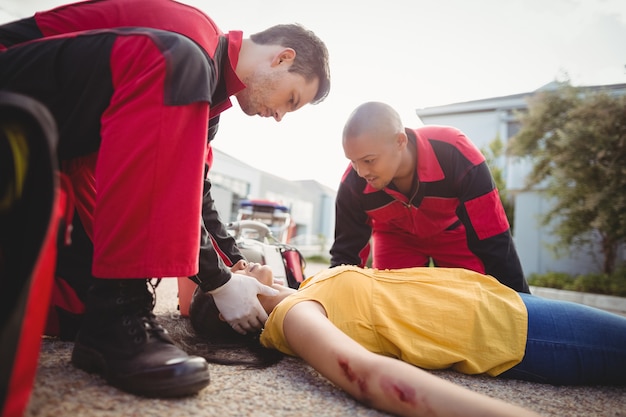
Seeing someone suddenly collapse can be alarming. Even when the person regains consciousness quickly, it may be difficult to know whether the episode resulted from a temporary trigger or a serious medical problem.
Fainting, medically known as syncope, is a brief loss of consciousness caused by a temporary reduction in blood flow to the brain. Some episodes occur after prolonged standing, emotional distress, heat exposure, dehydration, or another recognizable trigger. Others may be associated with heart problems, neurological events, significant blood loss, medication effects, or other conditions requiring prompt evaluation.
The circumstances surrounding the episode often matter as much as the fainting itself. Knowing when fainting is a medical emergency can help Corpus Christi residents respond appropriately and avoid delaying care when warning signs are present.
What Happens When Someone Faints?
A person who faints typically loses consciousness and postural control for a brief period. They may appear pale, become limp, or fall to the ground. Some people experience warning sensations beforehand, such as:
- Lightheadedness
- Blurry or narrowing vision
- Nausea
- Sudden warmth
- Sweating
- Weakness
- Ringing in the ears
Not every person has advance warning. Someone may collapse suddenly, particularly when the episode is connected to an abnormal heart rhythm or another abrupt medical event.
Fainting is different from simply feeling dizzy. Dizziness can occur without losing consciousness, while fainting involves a temporary loss of awareness. However, both symptoms can have many possible causes and cannot be accurately diagnosed based on appearance alone.
The American Heart Association recommends an initial medical evaluation after syncope. A healthcare professional may review the person’s history, the circumstances of the episode, blood pressure, heart rate, and other relevant factors.
When Is Fainting a Medical Emergency?
Fainting may require immediate emergency care when it occurs with symptoms suggesting a problem involving the heart, brain, lungs, circulation, or a serious injury. Call 911 when someone who fainted:
- Does not regain consciousness quickly
- Is not breathing normally
- Has chest pain, pressure, or discomfort
- Has severe difficulty breathing
- Develops weakness or numbness on one side
- Has trouble speaking or understanding speech
- Experiences a sudden major vision change
- Remains confused or unusually drowsy
- Has a severe or unusual headache
- Shows signs of significant bleeding
- Fainted after a serious fall, collision, or head injury
- Has repeated episodes close together
- Appears to have had a seizure
- Is pregnant and has pain, bleeding, or other concerning symptoms
If the person is unresponsive or not breathing normally, emergency services should be contacted immediately. Follow the dispatcher’s instructions rather than attempting to determine the cause yourself. Reliant Emergency Room provides 24-hour emergency medical care in Corpus Christi for sudden and potentially serious symptoms.
Why Does Fainting With Chest Pain Require Immediate Care?
Fainting accompanied by chest pain, pressure, shortness of breath, or a pounding or irregular heartbeat may indicate that the heart is not pumping blood effectively.
Potential cardiac concerns cannot be ruled out simply because the person wakes up and feels somewhat better. In some cases, the loss of consciousness may be the first clear indication of an abnormal heart rhythm or another serious cardiovascular problem. Emergency warning signs may include:
- Chest pressure or tightness
- Pain spreading into the arm, back, neck, or jaw
- Sudden shortness of breath
- A racing, unusually slow, or irregular heartbeat
- Heavy sweating
- Severe weakness
- Fainting during physical activity
- A family history of sudden cardiac death
Someone experiencing fainting with chest symptoms should not drive themselves to an emergency facility. Call 911, particularly when symptoms are ongoing or the person appears unstable. Learn more about when chest pain is an emergency and why prompt evaluation matters.
Can Fainting Be a Sign of a Stroke?
Fainting is not among the most common signs of a stroke, but loss of consciousness can occur during some serious neurological events. The greater concern is fainting accompanied by sudden changes in movement, speech, vision, balance, or awareness. Call 911 immediately if the person has:
- Facial drooping
- Weakness or numbness in an arm or leg
- Difficulty speaking
- Confusion
- Sudden vision loss or double vision
- Severe difficulty walking
- Loss of coordination
- A sudden, unusually severe headache
The person may regain consciousness while one or more of these symptoms continue. Improvement does not mean the emergency has passed. The FAST stroke test can help bystanders recognize facial drooping, arm weakness, and speech difficulty. Any suspected stroke requires immediate emergency assistance.
Is Fainting After a Head Injury an Emergency?
A loss of consciousness after a blow to the head should be taken seriously, even when it lasts only a few seconds. The injury may have caused a concussion, bleeding, or another form of trauma. Warning signs can also appear or worsen after the person initially seems alert. Emergency evaluation is especially important when fainting after a head injury is accompanied by:
- Repeated vomiting
- Increasing confusion
- Severe or worsening headache
- Unequal pupils
- Weakness or difficulty walking
- Clear fluid or blood from the nose or ears
- A seizure
- Unusual behavior
- Difficulty staying awake
- Use of blood-thinning medication
Do not assume the person fainted because they were frightened by the accident. The sequence of events may be unclear, and the fainting itself could have caused the fall. Reliant’s guide to serious head injury warning signs provides additional information about when emergency evaluation is appropriate.
Why Is Fainting During Exercise Concerning?
Fainting immediately after prolonged activity may sometimes be connected to heat, dehydration, or an abrupt stop in movement. Fainting during active exertion can be more concerning because it may indicate that the body was unable to maintain adequate circulation during physical stress. This distinction matters for adults as well as children and teenagers. Seek emergency care when someone faints while:
- Running
- Playing a competitive sport
- Swimming
- Cycling
- Lifting heavy weights
- Performing physically demanding work
Concern increases when the episode occurs with chest pain, breathing difficulty, palpitations, or a family history of heart problems. Corpus Christi heat can contribute to dizziness and fainting, but the weather should not automatically be assumed to be the cause. Heat-related conditions can also become medical emergencies, particularly when confusion, collapse, or altered awareness is present.
Can Dehydration Cause Fainting?
Dehydration can reduce the amount of fluid circulating through the body and contribute to low blood pressure, dizziness, or fainting. This may occur during extreme heat, prolonged outdoor activity, fever, vomiting, diarrhea, or inadequate fluid intake.
However, a person cannot safely conclude that dehydration caused an episode without considering other possibilities. Emergency care may be needed when fainting occurs with:
- Persistent vomiting or diarrhea
- Confusion
- Very limited urination
- Severe weakness
- Rapid breathing
- Inability to stay awake
- Significant abdominal pain
- Blood in vomit or stool
- Signs of heat stroke
Someone who remains alert after a brief episode without concerning symptoms may still need medical guidance, particularly if it was their first time fainting.
Is Fainting the Same as Having a Seizure?
No. Fainting and seizures are different events, although they can sometimes look similar to a bystander. Brief muscle movements can occasionally occur during a fainting episode. A seizure may involve sustained jerking, stiffening, unusual eye movements, loss of bladder control, tongue injury, or a longer period of confusion afterward.
These signs are not always present, and observation alone may not provide a clear answer. Emergency evaluation is appropriate when:
- The person has no known seizure history
- The episode lasts longer than expected
- Multiple episodes occur
- The person remains confused
- Breathing is abnormal
- An injury occurred
- The episode happened in water
- The person is pregnant
- The person does not return to their usual level of awareness
Treat unexplained loss of consciousness as a medical concern rather than attempting to label it as fainting or a seizure.
What if the Person Recovers Quickly?
A quick recovery can be reassuring, but it does not rule out a serious cause. Some heart rhythm problems and other medical conditions can cause a brief collapse followed by an apparently normal recovery. The person may feel tired, weak, nauseated, or embarrassed but otherwise seem well. Medical evaluation is especially important when:
- This was the person’s first fainting episode
- No clear trigger was present
- Fainting has happened more than once
- The episode occurred while sitting or lying down
- The person has known heart disease
- The person is taking new medications
- The person was injured during the fall
- The person is an older adult
- Fainting occurred during exercise
- There is a family history of unexplained sudden death
A routine appointment may be appropriate for some people who have fully recovered and have no emergency warning signs. When the circumstances are unclear or concerning, an emergency room can perform a more immediate evaluation.
When Should You Call 911 Instead of Driving to the ER?
Calling 911 is safer when the person may deteriorate on the way to the emergency room or needs medical support during transportation. Call emergency services when the person:
- Remains unconscious
- Is not breathing normally
- Has chest pain
- Has severe breathing difficulty
- Shows stroke symptoms
- Has a major injury
- Is bleeding heavily
- Has repeated seizures
- Is severely confused
- Cannot sit or stand safely
- Fainted while driving or in another dangerous situation
Emergency medical personnel can begin assessing the patient and communicate with the receiving emergency facility. Driving an unstable or unresponsive person in a private vehicle may delay appropriate care.
What Happens at the ER After Fainting?
Emergency evaluation depends on the person’s symptoms, medical history, age, injuries, and the circumstances surrounding the event. The medical team may ask:
- What the person was doing before fainting
- Whether warning symptoms occurred
- How long consciousness was lost
- What witnesses observed
- Whether the person was confused afterward
- Whether chest pain or breathing problems occurred
- What medications the person takes
- Whether similar episodes have happened before
- Whether there is a history of heart or neurological disease
Evaluation may include checking vital signs, measuring blood glucose, performing an electrocardiogram, or ordering laboratory tests. Imaging may be considered when there was an injury or when neurological symptoms are present.
Not every patient requires every test. The purpose of the evaluation is to identify or rule out potentially dangerous causes based on the individual circumstances.
Frequently Asked Questions About Fainting
1. Should You Go to the ER After Fainting?
Emergency care is appropriate when fainting occurs with chest pain, breathing difficulty, neurological changes, significant injury, pregnancy-related concerns, persistent confusion, repeated episodes, or another serious warning sign. A first unexplained episode should also be medically evaluated.
2. Is Fainting From Heat Dangerous?
It can be. Fainting during hot weather may be associated with dehydration or heat-related illness, but collapse and altered consciousness can also indicate heat stroke or another emergency. Confusion, very high body temperature, seizures, or inability to wake normally require immediate care.
3. What if Someone Faints for Only a Few Seconds?
Duration alone does not determine seriousness. A very brief episode may still require emergency evaluation when it happens during exercise, follows an injury, or occurs with chest pain, breathing problems, or stroke symptoms.
4. Can Stress or Seeing Blood Cause Fainting?
Strong emotions, pain, fear, or the sight of blood can trigger a common type of fainting in some people. However, a presumed trigger should not be used to dismiss concerning symptoms or repeated episodes.
5. Should a Child Who Faints Go to the ER?
A child should receive emergency evaluation when fainting happens during exercise, in water, after an injury, or with chest pain, breathing difficulty, seizure-like activity, prolonged confusion, or a known heart condition.
6. Is Near-Fainting Also Concerning?
Feeling as though you are about to faint can be significant, particularly when it occurs with chest discomfort, shortness of breath, weakness, speech changes, or an irregular heartbeat. Seek emergency care when serious accompanying symptoms are present.
Get Emergency Care for Concerning Fainting in Corpus Christi
Fainting can result from a temporary trigger, but it can also be associated with serious heart, neurological, respiratory, or circulatory problems. The safest response depends on what happened before the episode, how quickly the person recovered, and whether other warning signs are present.
Do not delay emergency assistance when fainting occurs with chest pain, breathing difficulty, stroke symptoms, significant injury, seizure-like activity, or an inability to regain normal awareness.
Reliant Emergency Room provides 24-hour emergency medical care when patients need immediate attention in Corpus Christi. If a fainting episode appears life-threatening or the person is unresponsive, call 911 immediately.