Skip to content

High blood pressure is one of the most common health concerns in the United States, affecting almost half of all adults. For many people, it can go unnoticed until a doctor checks it. But sometimes, blood pressure gets high enough that it becomes an emergency. If you have high blood pressure or have a family history of it, you need to recognize the warning signs. Knowing when you need to see a doctor and when you need to head to the ER makes all the difference.
Understanding High Blood Pressure
Before you need to worry about when to go to the ER for high blood pressure, first you need to know whether or not you have it. High blood pressure, or hypertension, often develops slowly. You may feel fine, even while your blood vessels and heart face extra strain. That is why it is often called a silent condition.
The best way to know if you have high blood pressure is regular screening. Doctors recommend that most adults check their blood pressure at least once a year. People with risk factors such as diabetes, smoking, or family history should monitor it more often. Home blood pressure cuffs are accurate if used correctly and can give you an early picture of your health.
Talk with your doctor if your readings often stay above 130/80. This is the point where long-term health risks become significant. Consistent readings above 140/90 almost always call for medical treatment.
Everyday Symptoms to Discuss With Your Doctor
Many people with high blood pressure never feel different day to day. Others may notice vague symptoms that are easy to dismiss. These can include headaches, shortness of breath, or fatigue. Some people feel mild chest tightness or lightheadedness.
On their own, these signs may not send you rushing to the hospital. Still, they are worth mentioning during a doctor’s visit. They can help your provider decide if you need medication or further testing. Ignoring them may allow blood pressure to climb until it causes damage.
Knowing When to Go to ER for High Blood Pressure
Sometimes blood pressure rises so high that it creates an immediate danger. Doctors call this a hypertensive emergency. It often happens when blood pressure shoots above 180/120. But the numbers are not the only concern. Symptoms matter too.
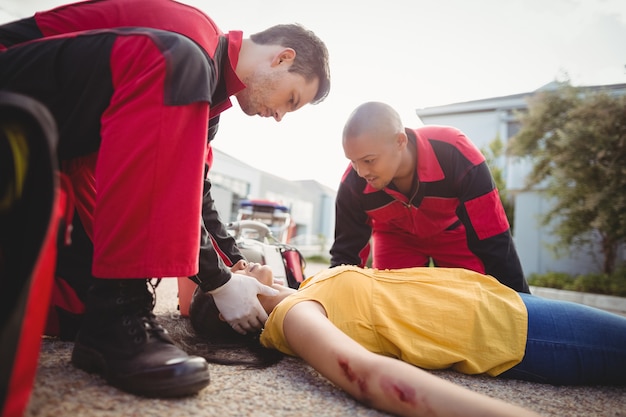
If you experience sudden chest pain, vision changes, or weakness in your arms or legs, you need immediate care. These can signal a stroke or heart attack. Severe shortness of breath or loss of consciousness also means you must go to the emergency room without delay.
At our Corpus Christi ER, we see patients with these warning signs often. Fast action can prevent permanent damage. Every minute counts when the heart or brain is under stress from uncontrolled blood pressure. Don’t waste time asking “Should I go to the emergency room for high blood pressure” if you’re experiencing these symptoms:
- Chest pain, tightness, or pressure
- Sudden shortness of breath
- Severe headache with confusion
- Sudden weakness or numbness, especially on one side
- Trouble speaking or understanding others
- Vision changes, including blurred or lost vision
- Fainting or near fainting
These signs suggest that high blood pressure may already be affecting vital organs. If you are experiencing these symptoms, you need immediate medical attention.
When Should You Go to ER for High Blood Pressure
Hypertension is a chronic disease, and if you’ve been living with it for a while, you might have it well-controlled with lifestyle, medication, or both. But even if your high blood pressure seems controlled, emergencies can still happen. A good rule of thumb is to think about both numbers and how you feel.
If your blood pressure is consistently high but you feel fine, call your doctor. Schedule an appointment soon, but it may not require emergency care. But if your blood pressure is high and you have dangerous symptoms, you should seek emergency care immediately. Waiting until your next office visit is risky in these situations.
It’s also important to understand that the ER and an urgent care clinic are not the same thing. Urgent care clinics can help with many health needs, but may not be the right choice for very high blood pressure. They are not equipped to handle life-threatening complications that can arise during a hypertensive emergency. The emergency room has the tools and specialists needed in those moments.
The decision about going to the ER often comes down to safety. Ask yourself these questions: Is my blood pressure reading very high? Do I have new or severe symptoms? Do I feel like something is wrong? If the answer is yes to any of these, the emergency room is the safest place to be. It is better to get checked and find out nothing is seriously wrong than to wait and face permanent harm.
How ER Doctors Treat Hypertensive Emergencies
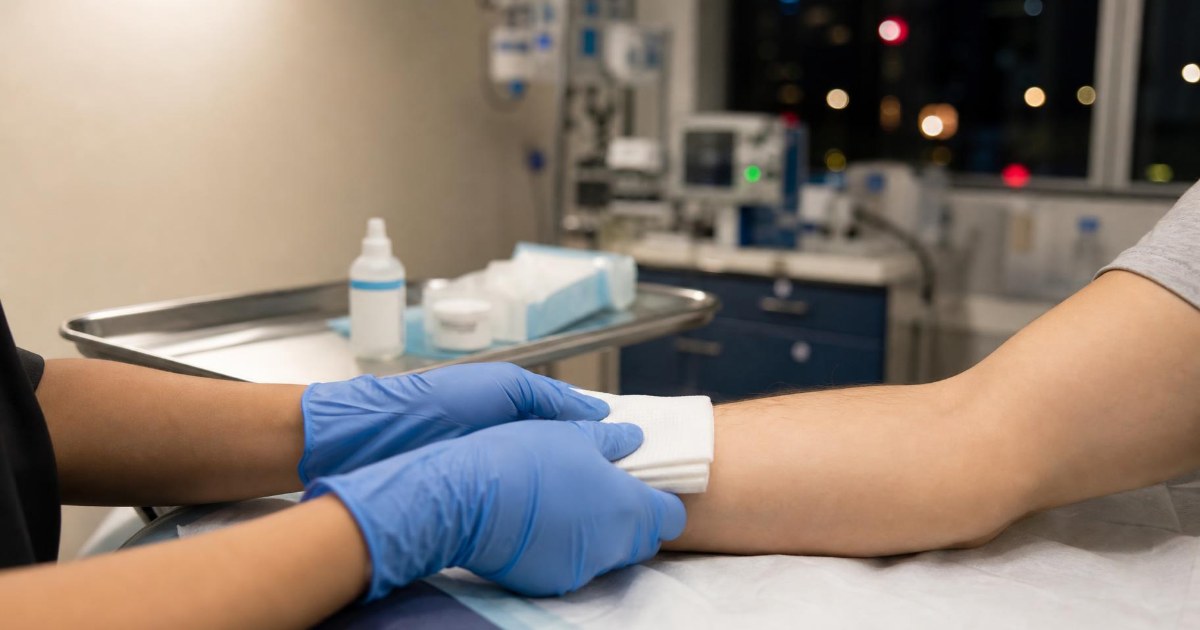
At the emergency room, doctors act quickly when a patient arrives with very high blood pressure. The first step is to measure and confirm readings. They also check for signs of organ damage, like changes in heart rhythm, stroke symptoms, or kidney problems.
Treatment often begins with intravenous medications. These work faster than pills and allow precise control of blood pressure. Doctors lower blood pressure gradually to avoid shocking the body. Too fast a drop can cause its own complications.
You may need blood tests, an EKG, or imaging scans depending on your symptoms. The goal is to protect your brain, heart, kidneys, and other vital organs while stabilizing your pressure. Some patients stay in the ER or are moved to a hospital room for observation, especially if there is concern about a heart attack or stroke.
Preventing Future Emergencies
The best way to avoid an ER trip for high blood pressure is steady management. This means keeping regular checkups, taking medication as prescribed, and making heart-healthy lifestyle choices. Reducing sodium and cholesterol, exercising, avoiding tobacco products, and managing stress all support lower blood pressure.
If you are given a prescription, do not skip doses. Many emergencies happen when people stop medication without guidance. Even missing a few pills can cause a dangerous spike. If side effects bother you, call your doctor instead of stopping the medicine. It also helps to keep a log of your blood pressure readings. Patterns over time are more useful than one single number, so share the log with your doctor at your appointments.
Doctors want to hear about symptoms even if they feel minor. Mention frequent headaches, occasional chest tightness, or lightheadedness. These could be early signals that your blood pressure needs better control. By addressing concerns early, your doctor can adjust your care before things become dangerous.
Should I Go To the ER for High Blood Pressure?
Knowing when to go to the ER for high blood pressure is important for anybody with hypertension or with a family history of it. High blood pressure does not always announce itself with clear symptoms. But when readings surge or your body gives strong warning signs, you cannot afford to wait.
Long-term, the best protection is regular screening and honest conversations with your doctor. But if you ever face the question of whether to head to the ER, remember this: it is always better to be safe. Our Corpus Christi emergency team is here to provide the care you need, when you need it most. If you need emergency care, the team at Reliant Emergency Services is here for you.