Skip to content


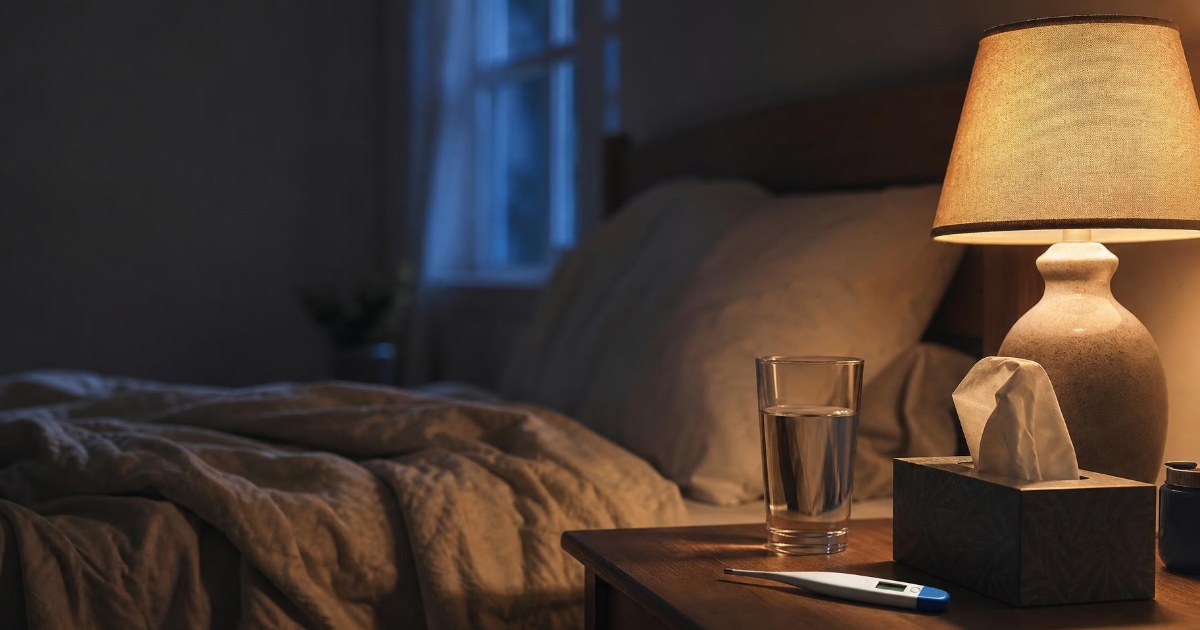
It is late. Maybe it is a weekend or a holiday, and something is wrong. You reach the urgent care and find a "Closed" sign on the door. Knowing what to do if urgent care is closed turns that moment from panic into a plan.
This guide answers where to go if urgent care is closed in three steps. First, decide how serious the problem is. Next, look at the options that stay open after hours. Last, choose the place that fits, whether that is an ambulance, a phone line or a 24-hour emergency room in Corpus Christi. Each step is short, and you can read them in order while you decide what to do tonight.
Step One: Decide How Serious It Is
Some problems cannot wait for a drive across town. Call 911 right away for chest pain or pressure, signs of a stroke such as a drooping face, arm weakness or slurred speech, trouble breathing, bleeding that will not stop, a severe allergic reaction, a serious head injury, a seizure, an overdose or a serious poisoning, or thoughts of suicide.
With stroke or heart attack signs, let the ambulance come to you. The CDC advises calling 911 for an ambulance rather than driving, so treatment can begin on the way. A person who feels well enough to drive can still lose that ability quickly, and a driver who is in trouble puts everyone on the road at risk.
Time matters too. Every 40 seconds, someone in the United States has a heart attack, and the sooner treatment begins, the less damage to the heart muscle. The stroke treatments that work best are available only when a stroke is recognized and diagnosed within 3 hours of the first symptoms. Look at the clock when the first symptom appears and write the time down. The emergency crew and the doctors will ask for it.
Many other problems fall in a gray area, and the right call is not always clear at midnight. When in doubt, treat it as an emergency and call 911.
After-Hours Medical Care Options When Urgent Care Is Closed
When the problem is not a 911 emergency, several routes for after hours medical care stay open overnight. A closed urgent care is common. Just over 67% of urgent care centers are open every day of the week, 18% close on weekends, and many run reduced hours on holidays.
Start with your primary care office. Many practices keep an after-hours or on-call line, and the doctor on call can tell you whether the problem can wait until morning. Your insurance card may list a nurse advice line, which lets you talk through symptoms with a trained person. A telehealth visit puts you in front of a doctor by video from your couch, and 37.0% of U.S. adults used telemedicine in a single year, 2021.
Two national services cover specific crises. For a possible poisoning, the Poison Help line is free and confidential and can tell you what to do next. If the person collapses, has a seizure or cannot breathe, call 911 instead. For a mental health crisis, the 988 Suicide & Crisis Lifeline offers support around the clock by call, text or chat.
Phone and video care have limits. A doctor on a screen cannot take an X-ray, run labs or close a wound. A problem that needs any of those belongs in an emergency room, and a 24-hour emergency room is the one option on this list that can do all three at any hour.
When a 24 Hour Emergency Room Is the Right Choice
Between a 911 emergency and a problem that can wait sits a large middle ground. In a national CDC survey of adults aged 18 to 64 whose last emergency room visit did not lead to a hospital stay, 48.0% said a reason was that the doctor's office was not open. Plenty of people turn to a 24 hour emergency room for exactly this reason.
Reliant Emergency Room treats a wide range of problems that fit this middle ground: cuts that may need stitches, sprains and possible fractures, fever and flu, vomiting, diarrhea and dehydration, urinary tract infections, allergic reactions and rashes, asthma and bronchitis flares, animal bites and insect stings, and concussions. None of these may threaten life tonight. Each can get worse by morning, and each is something a doctor should look at, and the answer is a visit to the emergency room or a doctor rather than a night of guessing at home.
Children and older adults deserve extra attention. Young children cannot always say what hurts, so changes in behavior, such as unusual sleepiness or refusing to eat or drink, are worth a doctor's attention. In an older adult, the warning signs can be subtle. Sudden confusion, new weakness or a fall calls for prompt care even when the person says they feel fine.
How an Emergency Room Differs From Urgent Care
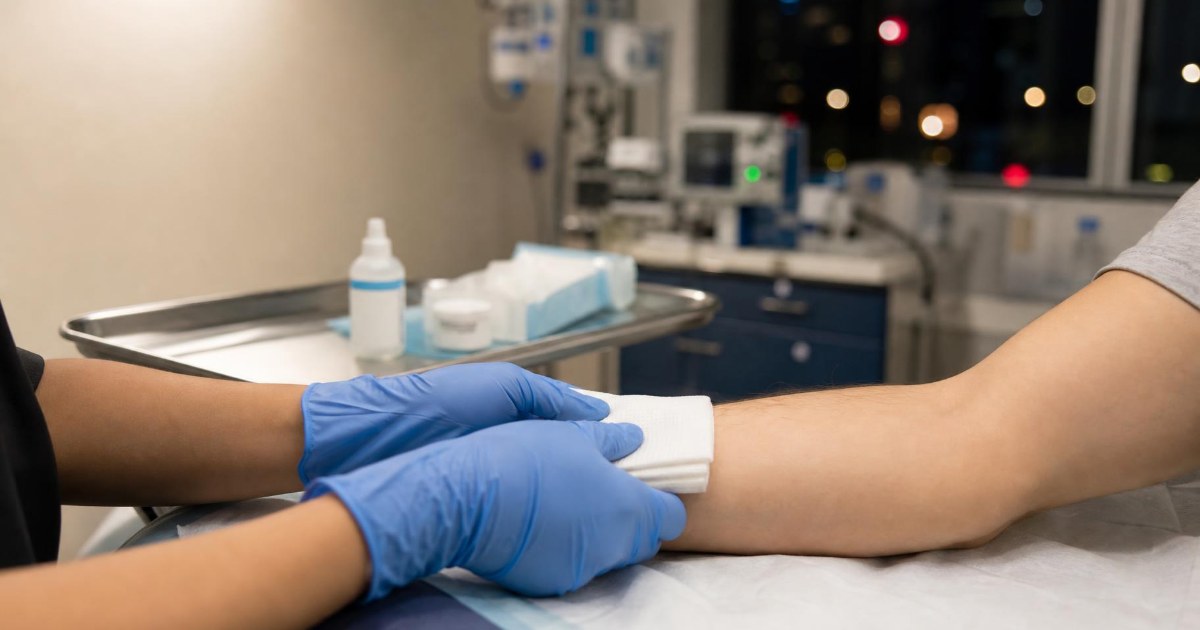
An emergency room is built for the full range of emergencies. You can expect imaging such as CT and ultrasound, cardiac monitoring, on-site labs and care around the clock. Triage sorts patients by how serious their condition is, so the most serious cases are seen first. That order protects every patient, including you if your condition turns serious while you wait.
Many Texas readers will find a freestanding emergency room nearby. Under Texas law, a freestanding emergency medical care facility is structurally separate and distinct from a hospital, and it receives people and provides emergency care. Texas Health and Human Services licenses and regulates these facilities, and its standards include transfer protocols for patients who need advanced care at a hospital. Reliant lays out how its care compares with hospital emergency rooms and urgent care centers in a simple table.
Cost deserves a straight answer. Emergency care costs more than urgent care. The billing notice on Reliant's homepage states that the facility is a freestanding emergency medical care facility, charges rates comparable to a hospital emergency room and may charge a facility fee. It also states that the facility is an out-of-network provider for all health benefit plans, and that a physician providing care may bill separately from the facility. Reading those lines before a visit lets you weigh the cost against the need.
How to Be Ready Before It Happens Again
Find your nearest 24-hour emergency room now, while nobody is in pain, and save its name and address in your phone. Reliant Emergency Room sits at 3910 Saratoga Blvd in Corpus Christi. A saved address saves minutes when a late-night search is the last thing you want to do.
Next, keep a short record where you can grab it fast, in your phone or in your wallet. It should hold:
Your current medications, allergies, medical conditions and past surgeries. Your insurance card and photo ID. The names of your emergency contacts. The name and details of your primary care doctor.
When symptoms start, write a quick timeline. Note when they began, what has changed since, and anything that seems to make them better or worse. The doctor can use that story along with your record to start sooner and make better decisions.
Keep the same record for children and for any older relative you care for. One saved note can serve the whole household.
Reliant Emergency Room on Saratoga Blvd Is Open 24/7
Reliant Emergency Room is a freestanding emergency room in Corpus Christi, open 24 hours a day, 7 days a week, every day of the year. It is staffed only by ER physicians and supporting staff, with no PAs or NPs.
The facility has CT scans, digital X-rays, ultrasound, EKG, cardiac monitoring and splinting on site, along with a COLA-accredited certified lab. The team treats minor emergencies such as lacerations, sprains, and fever and flu, and serious ones such as chest pain, shortness of breath and blood clots. Transfer agreements are in place with nearby hospitals, so a patient who needs a higher level of care can move on.
When urgent care is closed and your symptoms cannot wait, you can check in right away. If you want more information first, you can send a message to the team at the Saratoga location, which is open every hour of the day.
This content is provided for general informational and educational purposes only and should not be considered medical advice, diagnosis, or treatment. Medical needs vary from person to person. If you have questions or concerns about your health, symptoms, or treatment options, consult a qualified healthcare provider for guidance specific to your situation. If you are experiencing a medical emergency, call 911 or seek emergency medical care immediately.