Skip to content


A freestanding emergency room is a licensed emergency room that operates in its own building, separate from a hospital. It is open around the clock, staffed by emergency physicians, and equipped to test, treat and stabilize people in a medical emergency. This guide explains what a freestanding emergency room is, what it can handle, how it compares with a hospital ER and with urgent care, and how billing works in Texas. For readers near Corpus Christi, it also shows how Reliant Emergency Room fits the picture, so you know where to go the next time something cannot wait.
What Is a Freestanding Emergency Room?
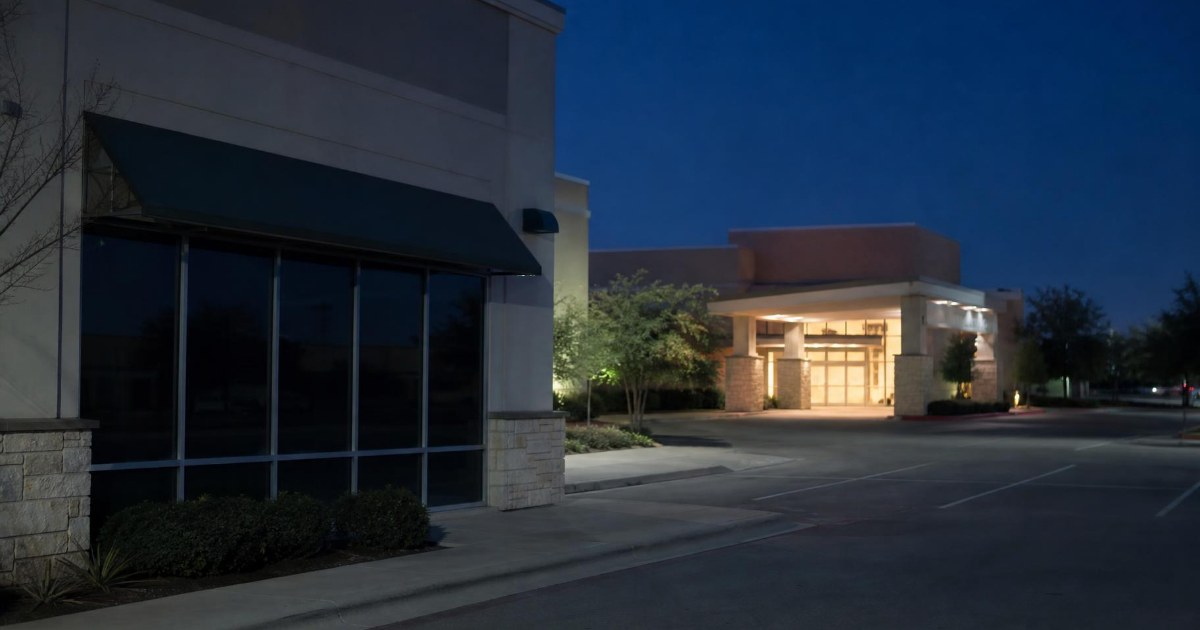
Texas defines a freestanding emergency medical care facility as "a facility, structurally separate and distinct from a hospital, that receives an individual and provides emergency care." In everyday speech, people say freestanding ER, freestanding emergency room or stand alone emergency room. All three phrases describe the same kind of place: a neighborhood building where you can walk in with an emergency at any hour.
Two kinds of freestanding emergency rooms exist. Some are owned by a hospital and work as an off-campus extension of it, which people sometimes call a satellite ER. Others operate on their own and have no hospital attached. Texas licenses both under its own state law, and the Texas Health and Human Services Commission sets the rules for staffing, equipment, lab and imaging services, and transfers to a hospital.
Texas has more of these facilities than most states. As of May 2023, the state had 338 freestanding emergency departments, with 211 operating independently and 127 owned by a hospital.
Reliant Emergency Room describes itself on its site as a full service, state-licensed, 24/7 emergency room that is not directly connected to a hospital. It was founded as a freestanding emergency room, so patients could receive immediate care that is both high quality and convenient.
What a Freestanding ER Can Treat and Test For
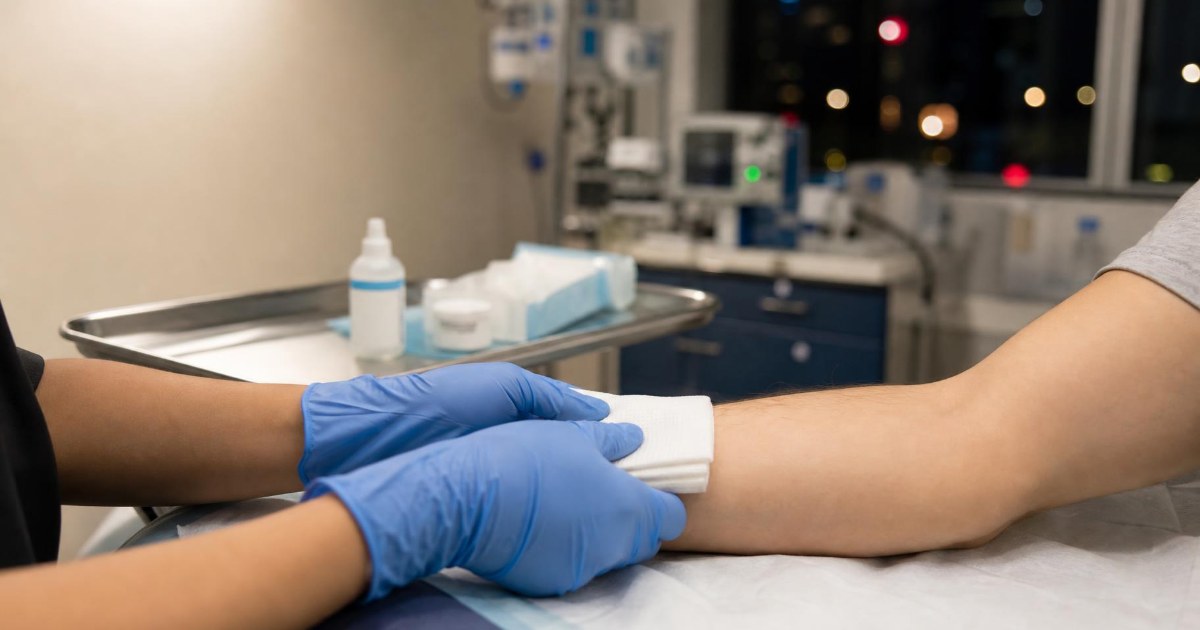
Inside the building, a freestanding ER looks and works like the emergency side of a hospital. Texas rules require one or more physicians on site during all hours of operation, and at least one nurse with advanced cardiac life support and pediatric advanced life support certification on duty. The same rules call for a cardiac defibrillator, cardiac monitoring, mechanical ventilation equipment, oxygen and pulse oximetry.
Reliant lists its on-site services on its services page: EKG, digital x-rays, CT scans, ultrasound, cardiac monitoring, strep, mono and flu tests, splinting of broken bones, intubation and ventilation, and certified lab services with COLA accreditation.
That equipment supports a wide range of problems. Reliant treats chest pain and heart attacks, shortness of breath, seizures, concussions, and blood clots in the legs and lungs. It also treats sprains and fractures, simple and complex lacerations, dehydration, allergic reactions, fever and flu, and urinary tract infections. Reliant offers treatment plans for all ages, from children to older adults.
Freestanding ER vs. Hospital ER: What Is the Same and What Is Different
A freestanding ER and a hospital ER share the core of emergency care. Both are open 24/7. Both are led by emergency physicians. Texas requires every patient to receive an appropriate medical screening, examination and stabilization within the facility's capability, without regard to the individual's ability to pay. Both can run lab work and advanced imaging such as CT scans.
The differences come from the building. A freestanding ER has no inpatient beds, no operating rooms and no specialty units such as a trauma center. A patient who needs admission or surgery is stabilized and transferred to a hospital, and Texas rules set transfer protocols for exactly that moment. The smaller setting also tends to mean shorter waits and more time with the care team.
Reliant's Why Choose Reliant page compares Reliant ER with a hospital ER and with urgent care. Here is how the first two columns line up:
| Freestanding ER (Reliant) | Hospital ER | |
|---|---|---|
| Open 24/7 | Yes | Yes |
| CT scanner and digital x-ray | Yes | Yes |
| Transfer agreements with nearby hospitals | Yes | Yes |
| Inpatient beds and operating rooms | No, patients are transferred | Yes |
| Reduced wait time with one-on-one time | Yes | Not marked |
| Only ER physicians and supporting staff, no PAs or NPs | Yes | Not marked |
| Certified lab for quick results | Yes | Not marked |
Reliant keeps transfer agreements in place with nearby hospitals, so a patient who needs a higher level of care has a path to it.
Freestanding ER vs. Urgent Care
The two get mixed up because both sit in ordinary neighborhood buildings, often near shopping centers and main roads. The services inside are different.
Urgent care centers keep set hours and offer limited imaging and testing. A freestanding ER is open every hour of every day, with emergency physicians on site and CT and ultrasound ready when the case calls for them. Reliant's comparison page marks CT scans, digital x-ray, special sedation and complex laceration care as services an urgent care does not offer.
The gap matters most after dark. Urgent care doors close in the evening, on weekends and on holidays, and some cases are beyond what an urgent care can handle at any hour. A freestanding emergency room is the option that stays open, so a late-night injury or a Sunday fever has somewhere to go.
Reliant is an emergency room, and it also treats minor emergencies. Its services page lists conditions such as sprains, sinus infections, vomiting and diarrhea, animal bites and insect stings, and simple lacerations next to the more serious conditions. A person whose urgent care has closed for the night can be seen by an emergency physician, with the same equipment on hand if the problem turns out to be bigger than it looked.
How Billing and Insurance Work at a Freestanding ER in Texas
Texas builds billing transparency into the rules for these facilities. Since September 1, 2019, under HB 2041, a freestanding ER must give patients a written disclosure in bold type of at least 16 points, in English and Spanish. It lists the facility fees and either the health plans the facility is in network with or a statement that it is out-of-network for all plans.
Reliant posts its HB 2041 disclosure, along with its fee schedule and billing contacts, on its insurance and billing information page. The disclosure says Reliant is a freestanding emergency medical care facility, charges rates comparable to a hospital emergency room and may charge a facility fee. It also says a physician may bill separately from the facility, and that Reliant is an out-of-network provider for all health benefit plans.
Surprise billing rules apply on top of that. The federal No Surprises Act bars surprise bills for most emergency services at an out-of-network independent freestanding emergency department and limits the patient's cost sharing to in-network levels. Plans may not require prior authorization for emergency care. Those protections do not cover Medicare, Medicaid, CHIP, TRICARE, VA or Indian Health Service coverage. Texas adds its own protections, which apply to anyone with health insurance other than Medicare. A patient can still owe a copay, coinsurance or deductible.
An itemized statement lists every service and charge from a visit. Reliant's billing page says one can be provided on request, and it gives you a line-by-line record to compare with what your insurer sends.
When to Go to a Freestanding ER, and When to Call 911
Go to an emergency room right away for symptoms such as chest pain, trouble breathing, seizures, a head injury, a deep cut, a broken bone, a severe allergic reaction or dehydration that leaves a person weak or unable to keep fluids down. Reliant's physicians treat all of these around the clock.
Some situations call for an ambulance. Dial 911 when someone is unresponsive, shows signs of a stroke, or has suffered major trauma. Paramedics begin care on the way, and Texas rules require a freestanding emergency facility to take part in the local EMS system. Driving a person in that condition can cost minutes that care could have used.
After any ER visit, follow up with your own doctor. The emergency physician treats the problem in front of them, and your regular doctor can look at the bigger picture, review test results and plan next steps.
Your Freestanding Emergency Room in Corpus Christi
Reliant Emergency Room at 3910 Saratoga Blvd in Corpus Christi is open 24 hours a day, 7 days a week. It is the freestanding emergency room nearby for emergencies, and for minor emergencies when urgent care is closed or cannot take the case. If you have questions about services, billing or what to expect on a visit, you can reach the team through the Contact Us page.
This content is provided for general informational and educational purposes only and should not be considered medical advice, diagnosis, or treatment. Medical needs vary from person to person. If you have questions or concerns about your health, symptoms, or treatment options, consult a qualified healthcare provider for guidance specific to your situation. If you are experiencing a medical emergency, call 911 or seek emergency medical care immediately.